
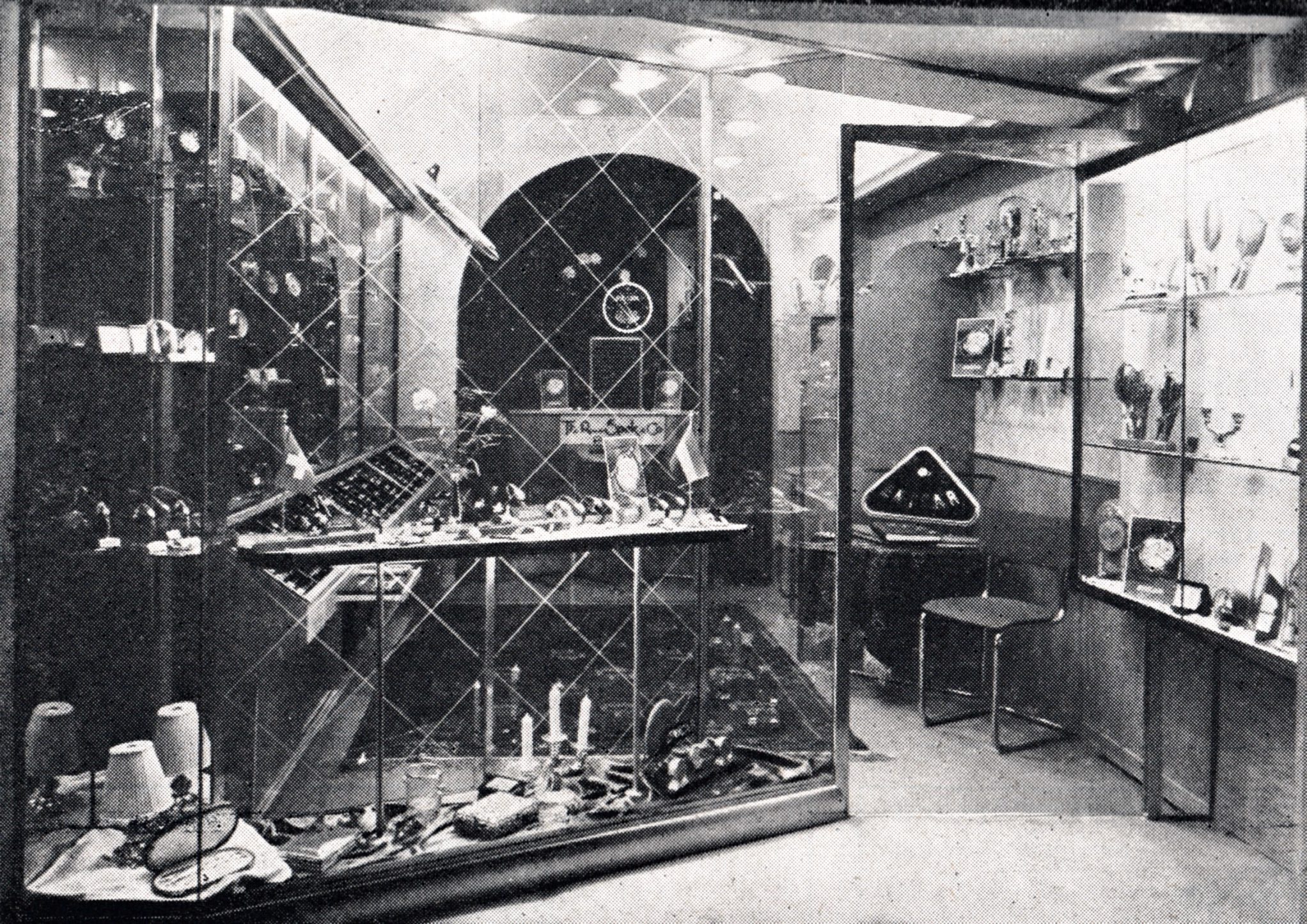


In November 2017, I had the honour of speaking with Jan Zengerink—then 86 years old, and bursting with life, knowledge, and stories. Jan was a master watchmaker, a born raconteur, and one of the rare people who had trained and worked with Enicar both in Switzerland and in the Netherlands. He passed away just a few months after our interview, in February 2018. What follows is a tribute to his passion for the craft and his unique bond with the Enicar brand.
Martijn: You were trained in Lengnau, right at the heart of Enicar?
Jan: Yes, I went through the whole works there. As a rehabiliteur, I assembled movements, and I also joined reps on visits to customers. In Oensingen, I learned how the machines worked. That’s where they milled the gears and plates. You didn’t just become a specialist—they taught you the entire trade.
Martijn: That’s rare. So few brands were that vertically integrated.
Jan: Enicar made almost everything themselves, except for the cases. Those came from EPSA—Ervin Piquarez, officially. They supplied the compressor cases with the bayonet system. Brilliant design. You can’t force the gasket. Just a one-eighth turn and you’re done.
Martijn: The downside being the many different case keys.
Jan: Exactly. No standardisation. If your watchmaker doesn’t have the right one, he’ll be fishing around in boxes for a while.

Martijn: After your training, you returned to the Netherlands?
Jan: I worked with Van der Spek in Amsterdam, the official importer. They didn’t have in-house watchmakers, which led to trouble. At one point, they were importing watches without Incabloc (not Enicar!) to cut costs. That meant a lot of broken watches and returns under warranty. I ended up helping with repairs and even joined the buyer on trips to Switzerland.
Martijn: You even once invented an “Enicar snack”? What was that about?
Jan: (laughs) That’s true! I used to dine out a lot when I was single, and one day I proposed something fun to the owner of my favourite restaurant. I said: let’s create a special snack—call it the “Enicar snack”—and I’ll give you a watch in return. He agreed, and that snack became a big hit. The recipe even made its way to Sweden! It was a marketing idea, really. I also did marketing for Diehl, the company behind Junghans. There, I sold watches—and anti-tank grenades. People forget: watchmaking has military roots.
Martijn: That rotating globe on the Enicar factory roof—wasn’t that a Racine trick?
Jan: Oh yes! Swiss law didn’t allow flashing rooftop advertisements. So Ariste Racine came up with a rotating dome instead. It moved, but it didn’t flash—totally legal. Genius!
Martijn: Did Van der Spek understand the brand?
Jan: Not at all. They treated it like just another product line. They had no marketing vision. In Asia, Enicar was huge. But in Europe? It was all very fragmented. In Sweden, they had a good importer. But in the Netherlands, it was a missed opportunity.
Martijn: Yet the product was amazing.
Jan: In my opinion, the quality was better than Rolex. The Sherpas were the top line, but even the simpler models were excellent. And the EPSA cases? Absolute marvels.

Martijn: What about the quartz era? Did they adapt?
Jan: Poorly. They didn’t understand it. Like most Swiss brands at the time, they underestimated the threat. Enicar eventually produced quartz models with ETA movements, but by then the damage was done. They had huge overhead costs—entire floors of assembly workers—and no clear positioning in the market.
Martijn: They never really found a niche like Omega or Rolex.
Jan: Exactly. Enicar made superb watches, but the brand was poorly positioned. Jewelers didn’t know how to sell it. It had no luxury cachet, no bold marketing strategy. It was a “watchmaker’s watch,” but the retailers wanted names that sold themselves.
Martijn: Let’s talk about the AR 1120 series. I hear mixed stories.
Jan: Ah yes. Solid movements—except for some faults in the 1124 and 1125 automatics. They even experimented with ‘ruby rotors’—a crazy idea I warned them about. One knock and the rotor would fall off. ETA and Eterna used steel bearings for a reason. This was a gimmick.
Martijn: And the 33-jewel models?
Jan: Marketing fluff for the Far East. They just screwed in extra jewels—completely unnecessary. Meant to impress customers in India and beyond. But technically? Useless.
Martijn: Why didn’t Enicar make their own chronographs?
Jan: Too complex. To build a chronograph from scratch, you need millions in machinery and staff. Enicar wisely stuck to using proven movements like the Valjoux 72. They focused their efforts on developing solid base calibres instead, which made more sense for a company their size.
Martijn: What’s your take on the modern Enicar reboots?
Jan: The Chinese bought the rights, but they missed the spirit. Their styling is too “eastern,” too derivative—Rolex copies, basically. What a waste. They should reissue the Sherpa Graph, the Super-Dive. Those cases aren’t even that expensive to replicate nowadays. The original designs are timeless.
Martijn: I wear a 1968 Sherpa OPS, and people ask me what boutique I bought it from!
Jan: That’s the thing. These watches still feel current. Just look at the dials—those appliqués are riveted, not glued. It’s quality you can feel.
Martijn: Do you know who designed them?
Jan: Sadly no. Might’ve been someone at the dial factory. I’ve been trying to track down a man named Könitsen, who may know, but no luck so far.

Martijn: Are you still repairing watches?
Jan: Now and then. The really high-end jobs I send to a colleague with a sterile lab. But yes, I still work, still travel. I was in Belgium last weekend at a private bank event. I’m 86, but I keep going.
Martijn: That’s impressive. Any thoughts on the future of the craft?
Jan: We’re losing real watchmakers. I was on the board of the Dutch trade association, and the leadership had no feel for the craft. Repairs were once considered “second-class,” so they refused tax breaks. And then they wondered why watchmakers disappeared.
Martijn: It’s ironic—vintage watches are more popular than ever, but hardly anyone left to service them.
Jan: Exactly. Most watches now end up with general jewellers or backroom outfits. They don’t know what they’re doing. People use the wrong batteries, damage movements, ruin cases. A good mechanical needs service every five years—by someone who knows what they’re doing.
Martijn: Thank you so much for your stories, Jan. I truly hope we get to do this again.
Jan: I said I’d call, didn’t I? And when I say something, I mean it. Let’s talk again soon.
In memory of Jan Zengerink (1931–2018), master watchmaker, storyteller, and Enicar ambassador.


